Preface
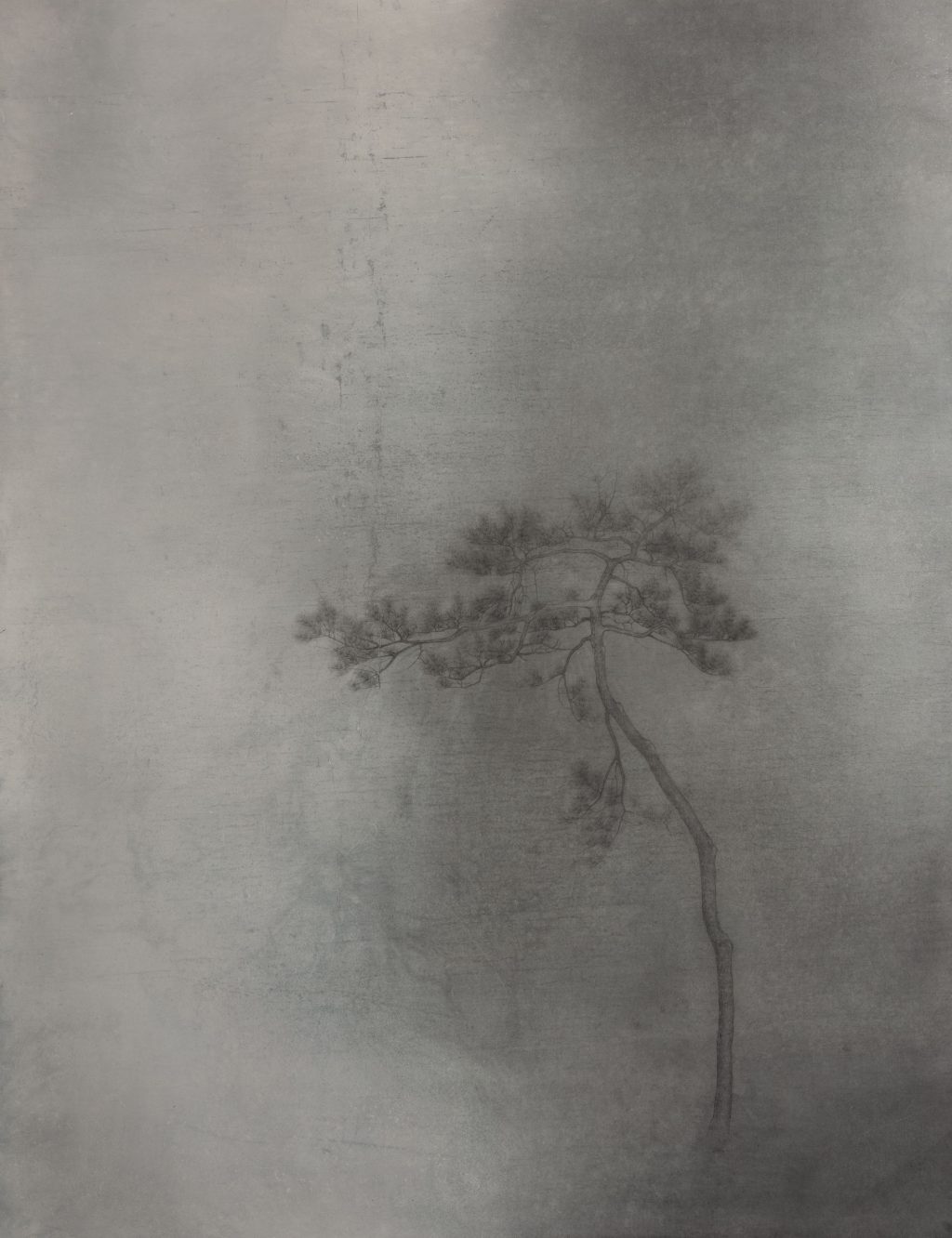
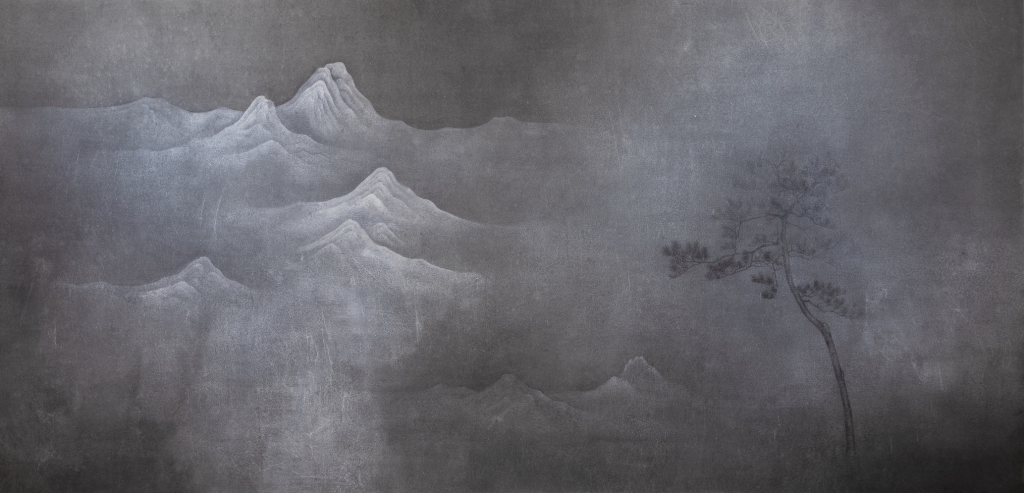
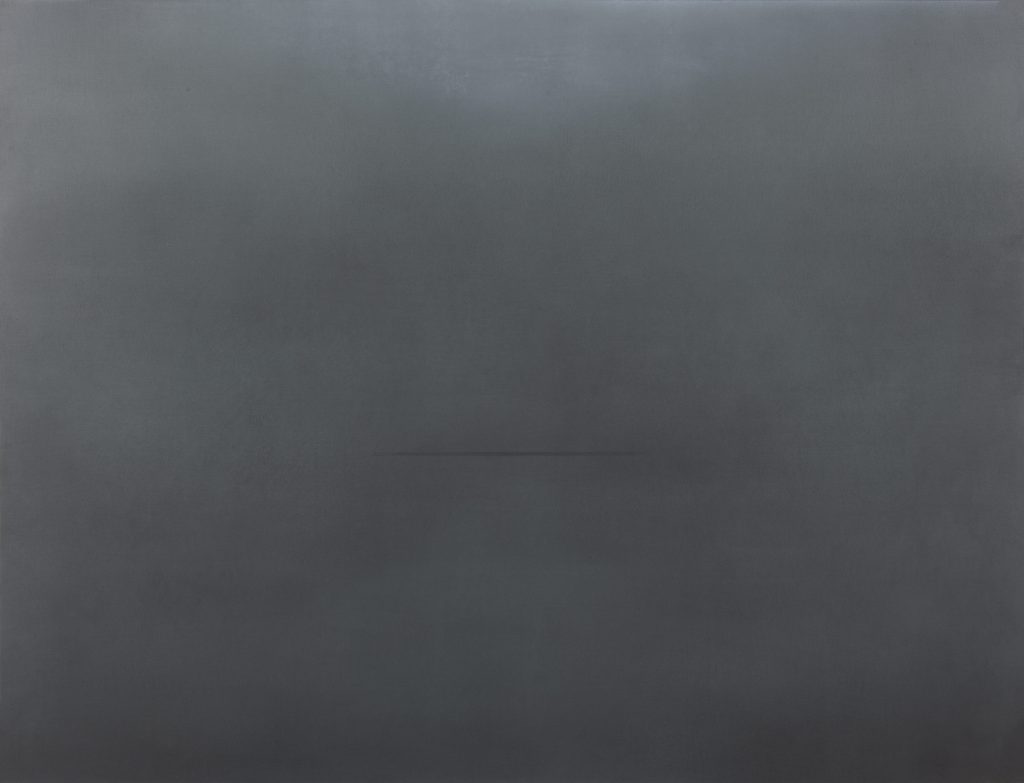
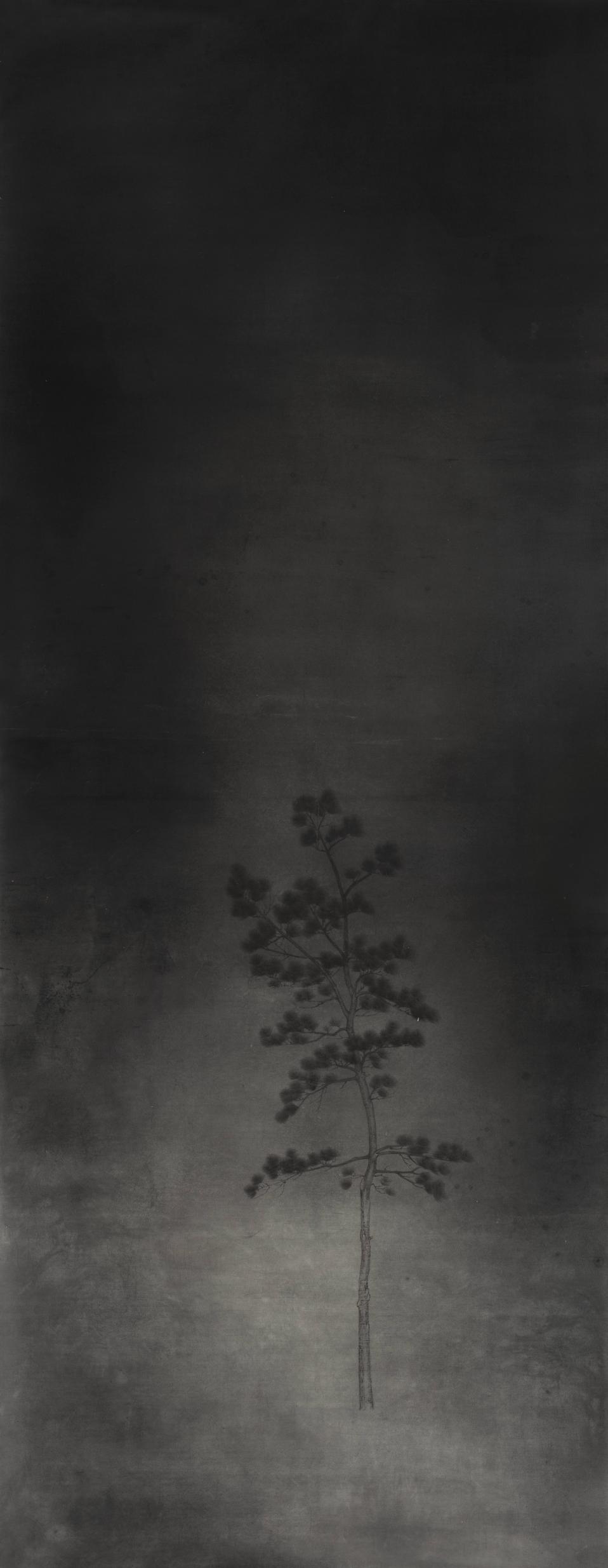
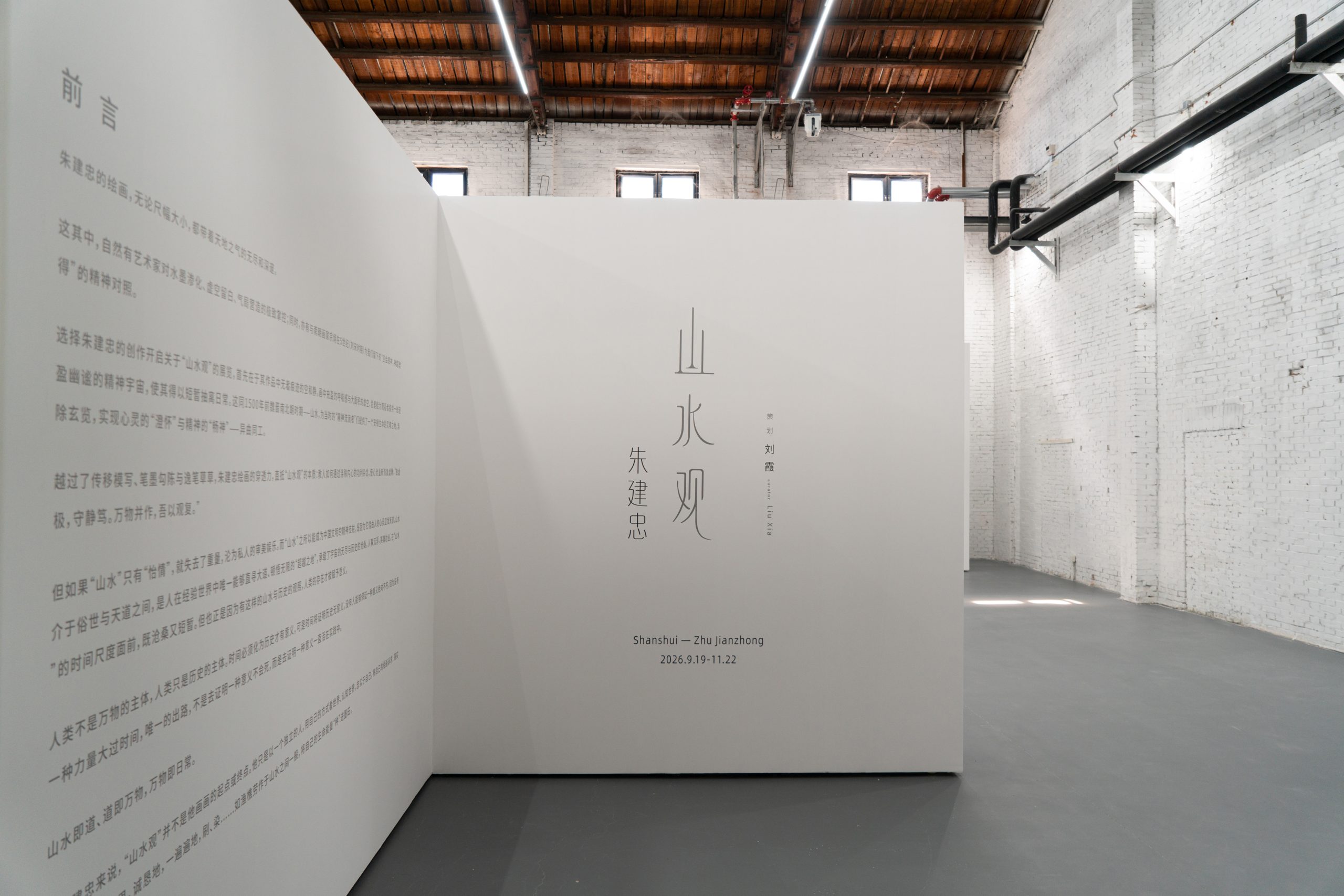
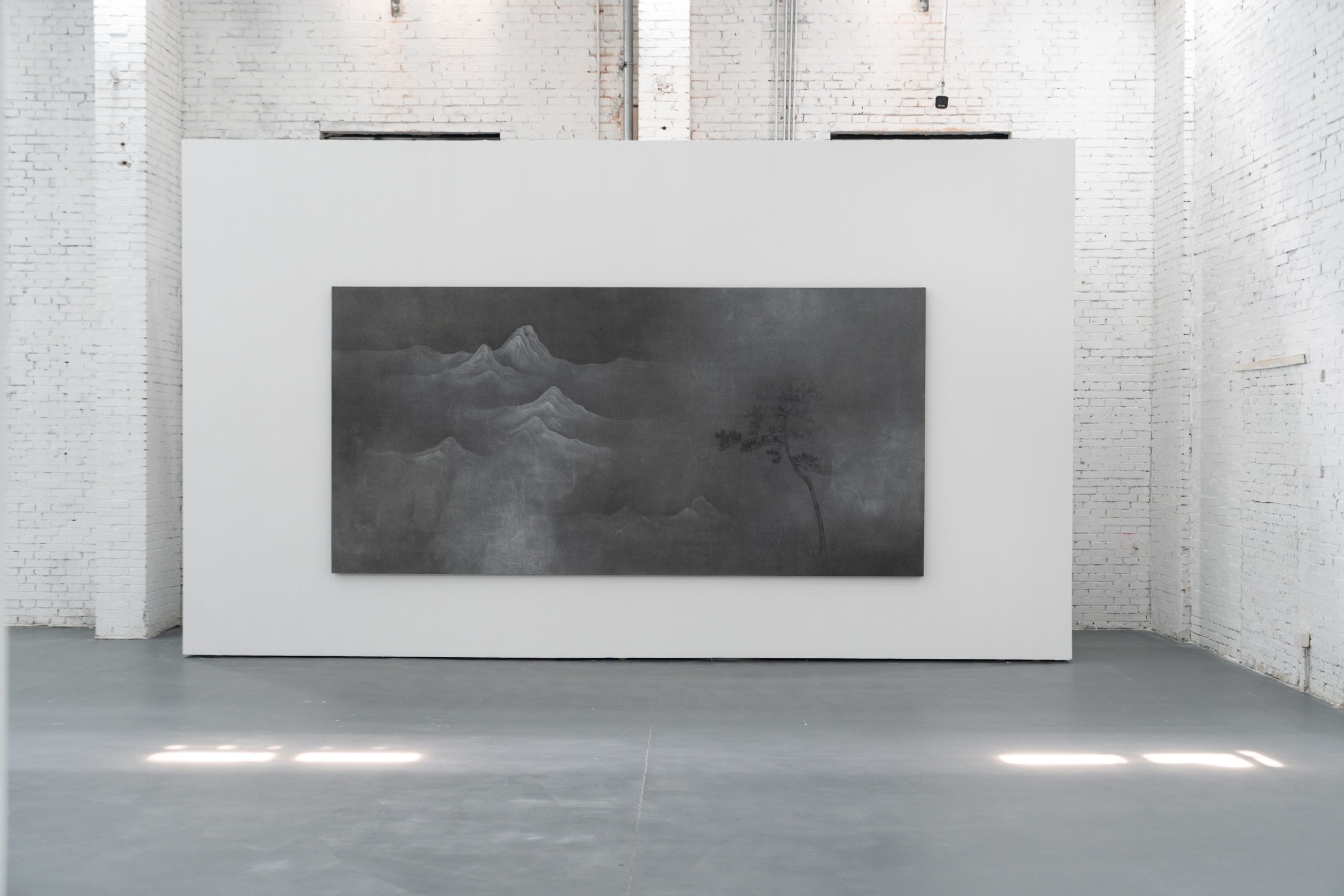
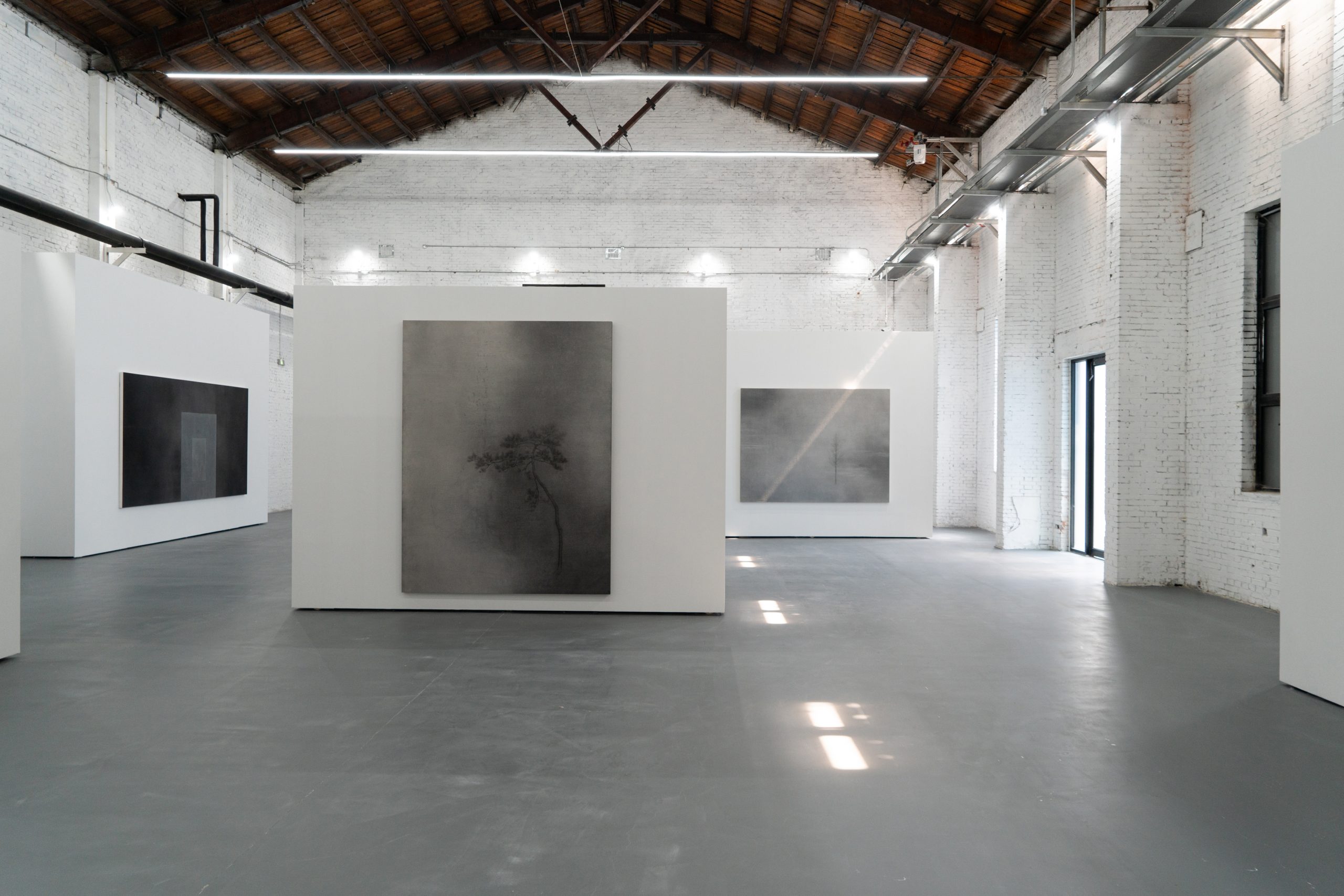
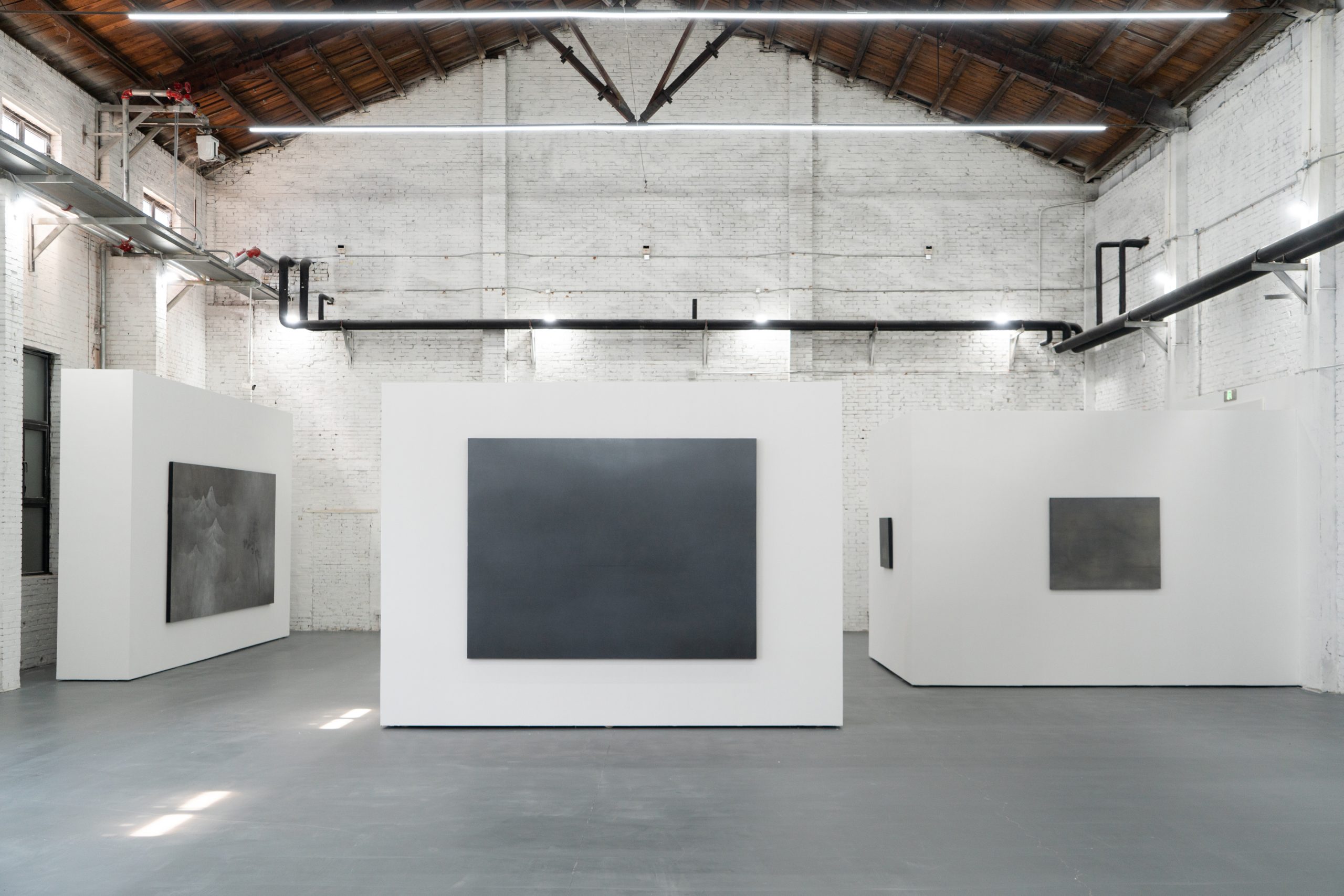
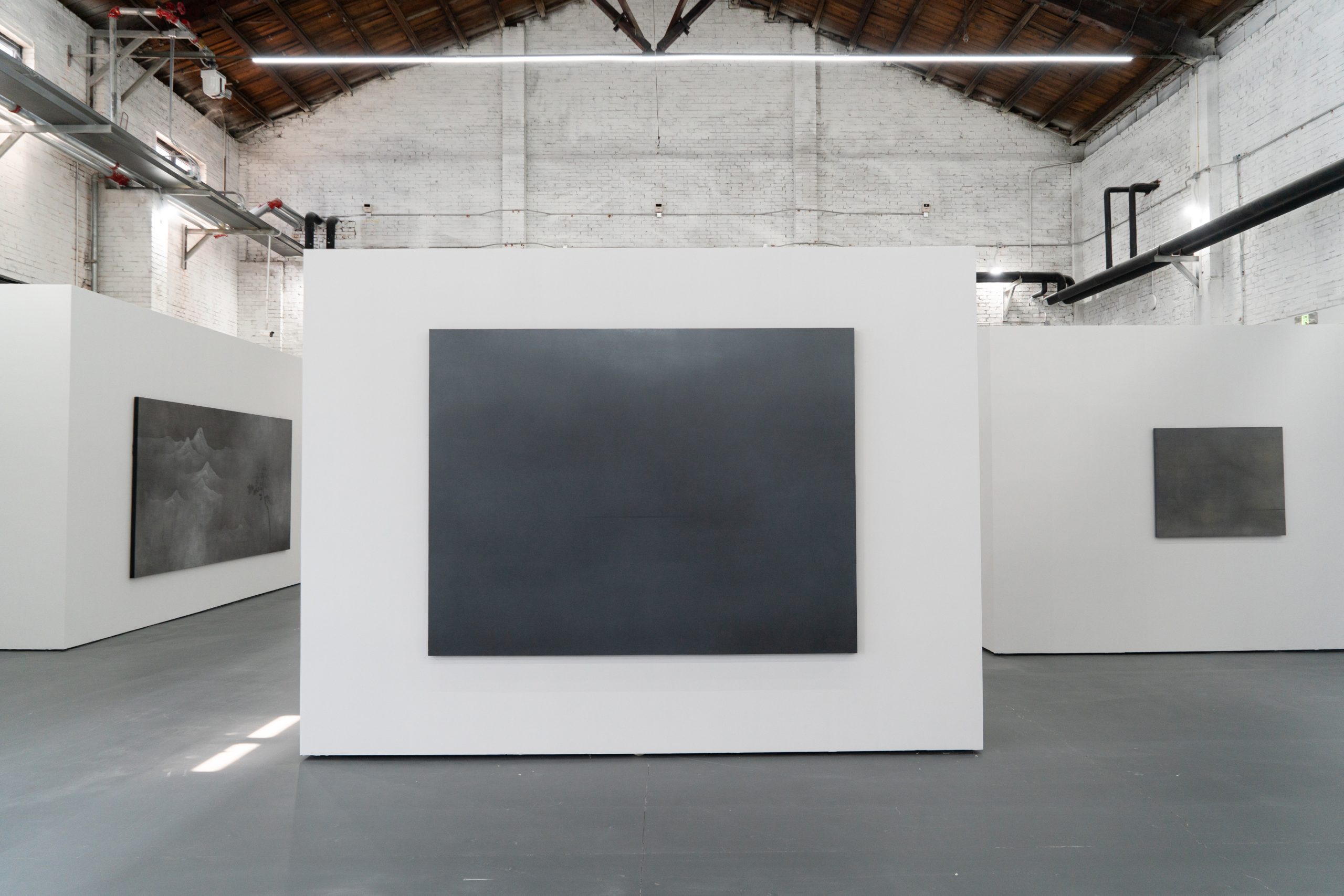
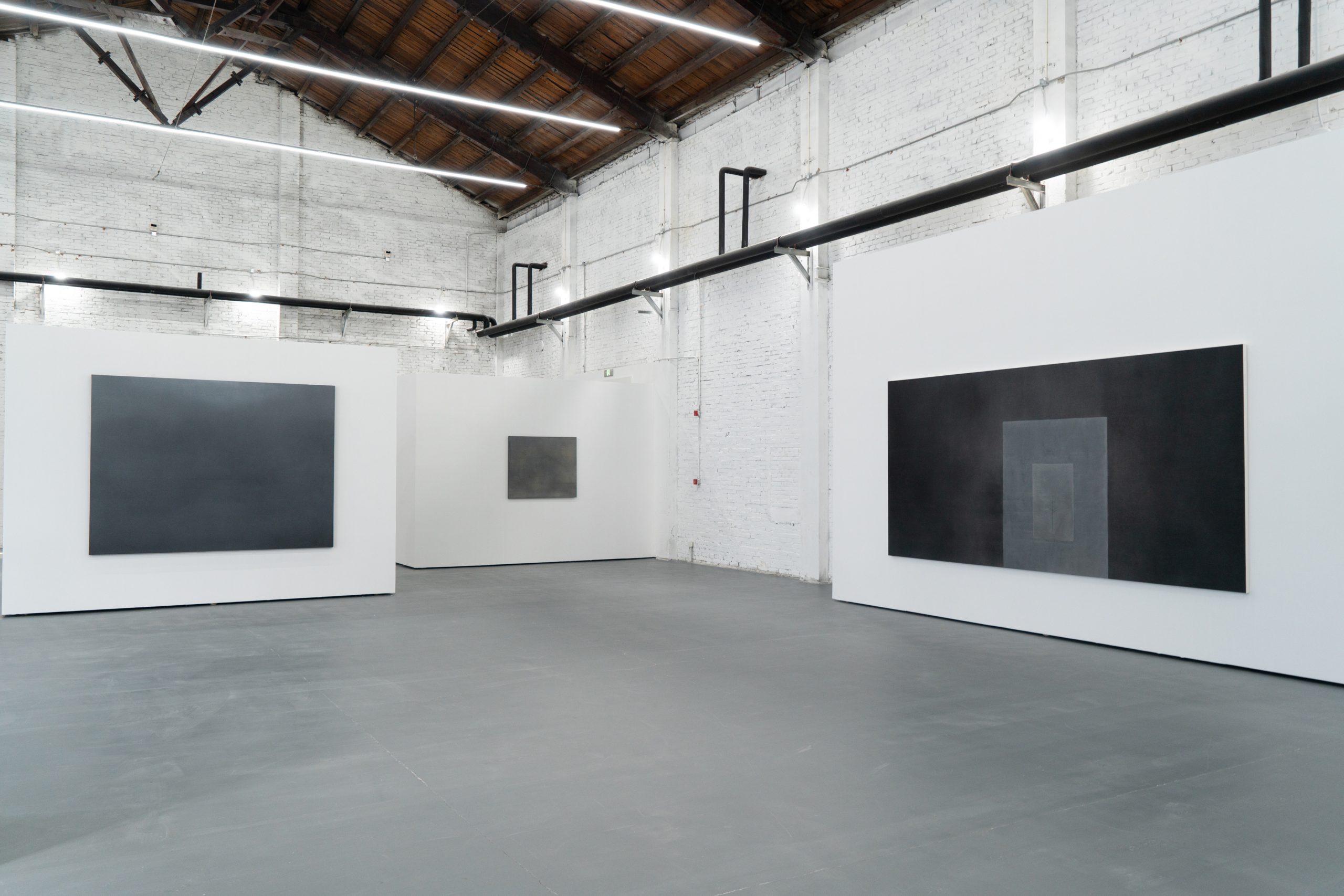
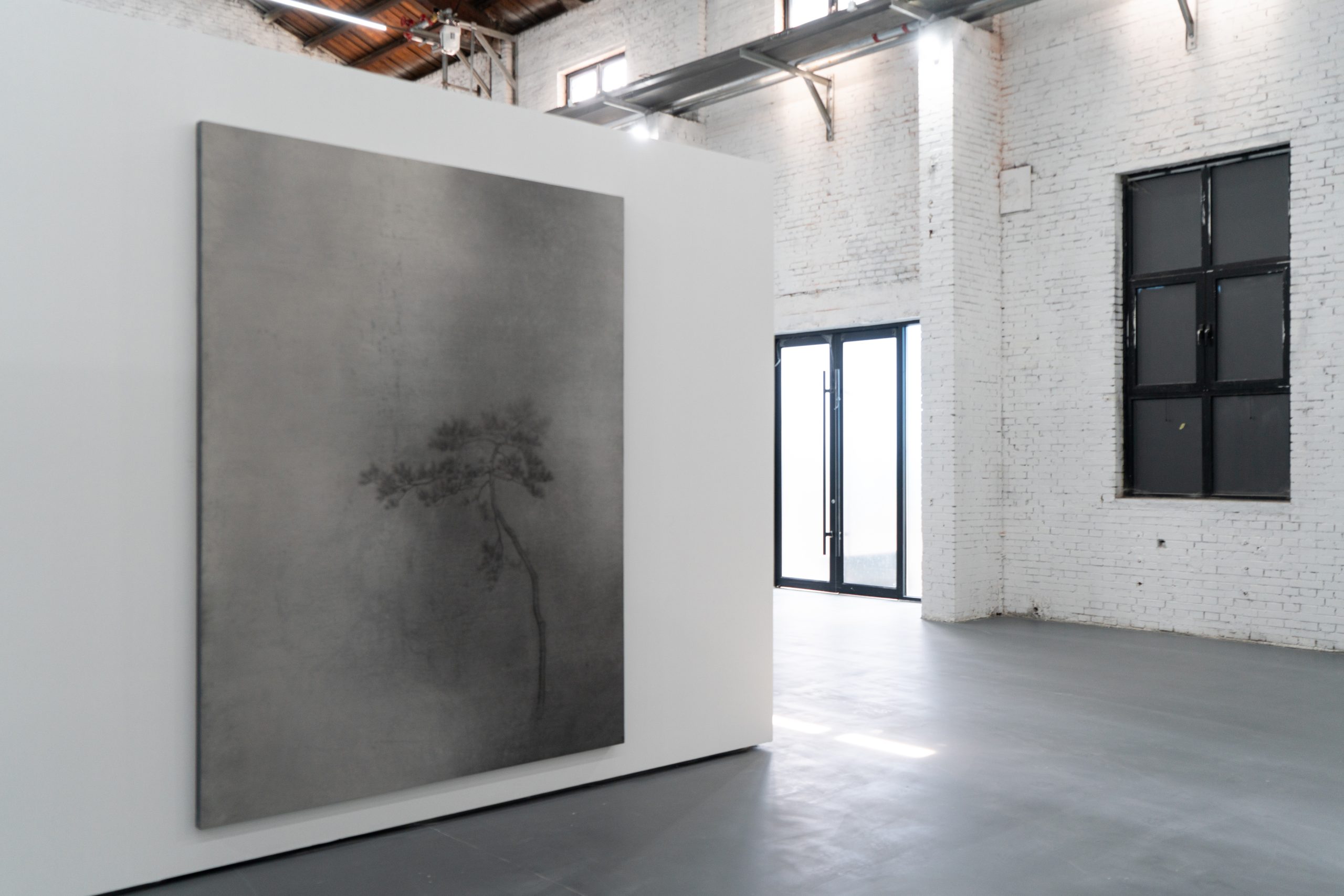
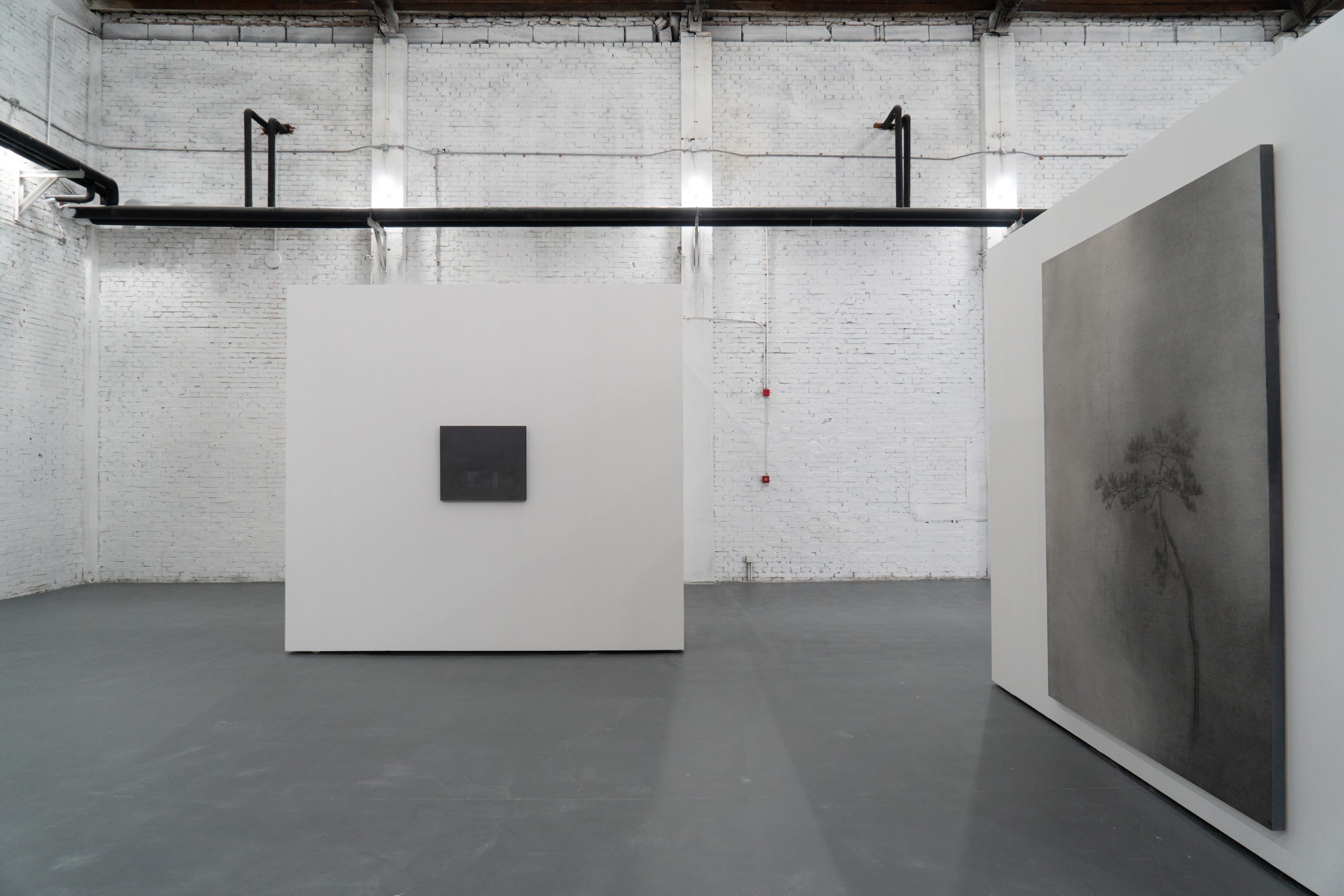
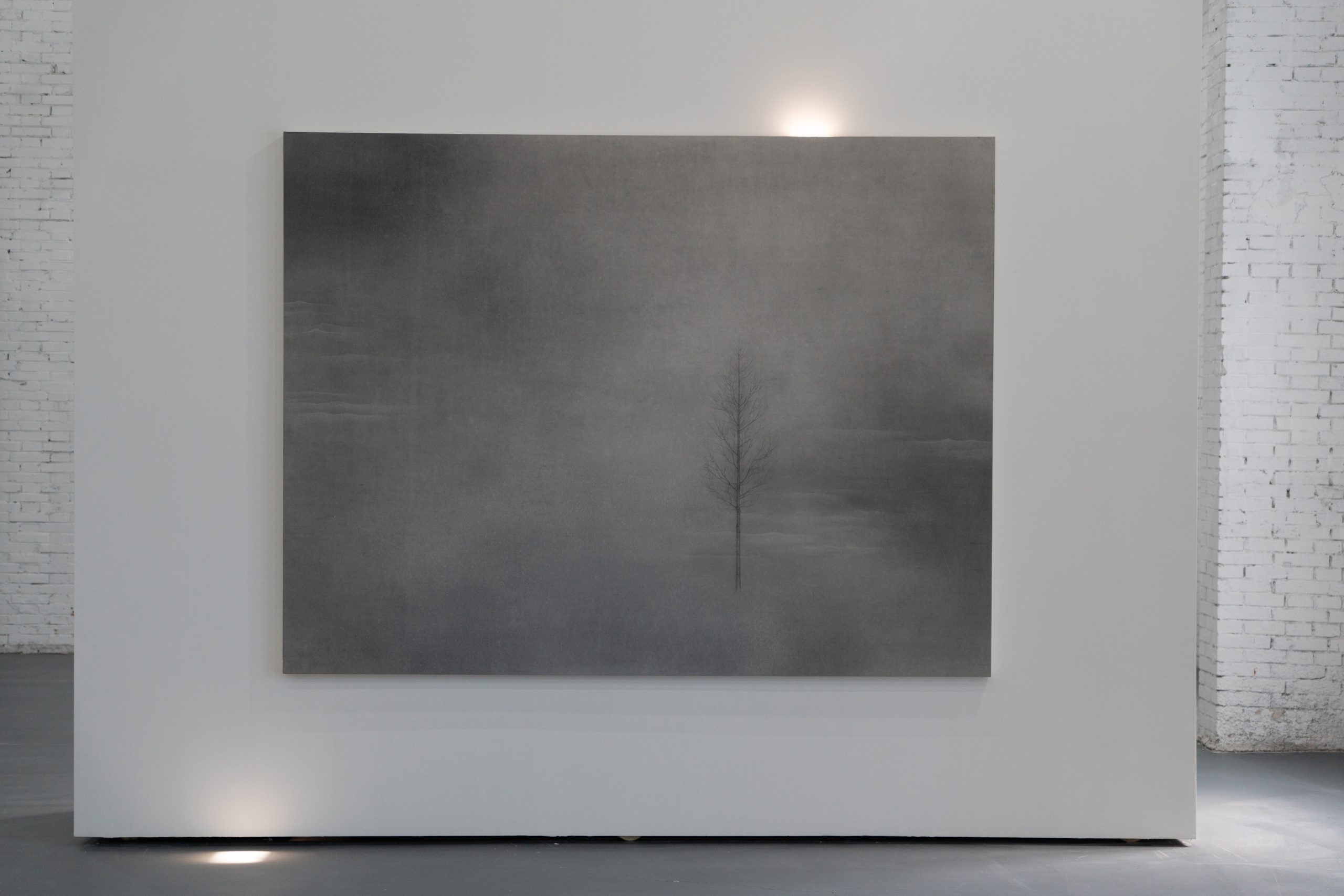
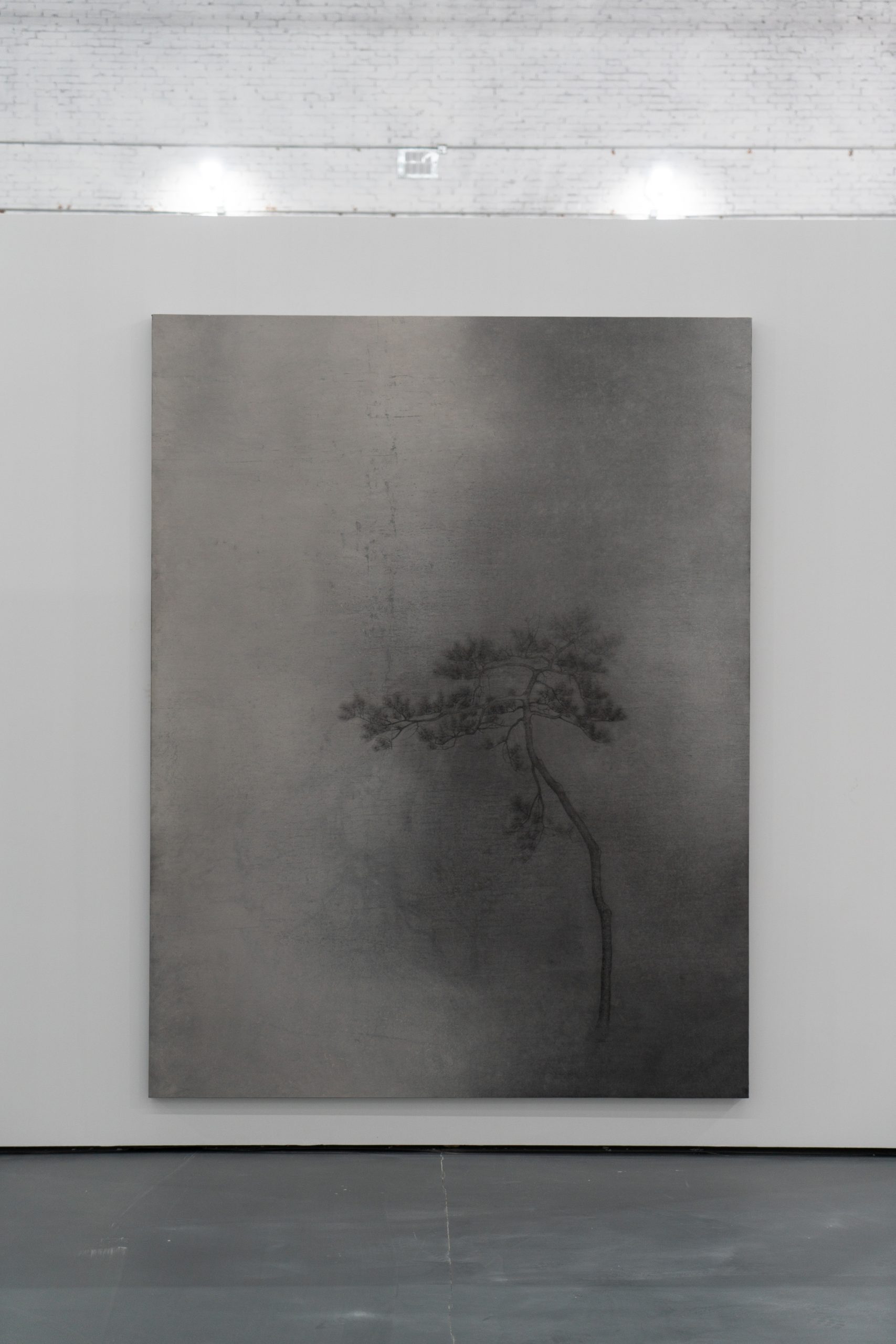
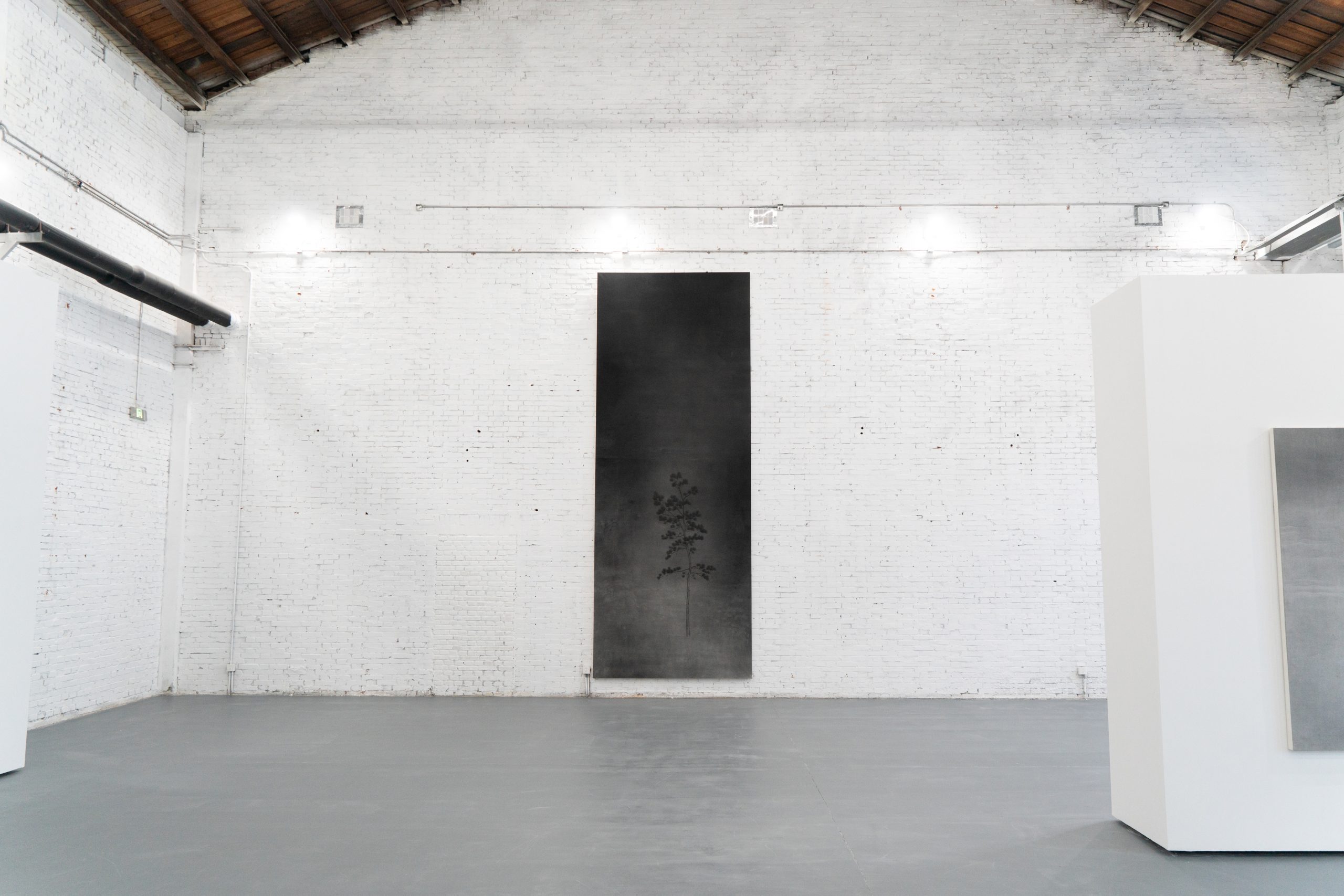
Zhu Jianzhong’s paintings, regardless of scale, carry the infinite depth of cosmic energy (qi).
This depth springs from his mastery of ink wash, negative space, and spatial aura, echoing the 5th-century painter Zong Bing’s ideal: “Attuning the mind to touch the spirit, transcending form to grasp the truth.”
Opening this exhibition with Zhu’s work highlights the effortless void and stillness within his art. The breathing rhythm and vast emptiness offer a serene sanctuary away from daily life. This resonates with the Wei-Jin period 1,500 years ago, when shanshui served as a spiritual haven, purifying the mind (chenghuai) and liberating the spirit (changshen).
Transcending mere technique and fleeting brushwork, Zhu’s art reaches the essence of shanshui: clearing worldly distraction to restore inner tranquility. As Laozi observed: “Attain utmost emptiness, maintain absolute stillness. While all things flourish, I observe their return.”
Yet, if shanshui were merely for personal pleasure, it would lack gravity. It endures as a pillar of Chinese civilization because it reveals the cosmic Dao through the human heart. Standing between the mundane and the cosmic, shanshui is a transcendent space for realizing the infinite. Human history is brief against its vast timescale, yet through this lens, existence gains profound meaning.
Humans are subjects of history, not masters of nature. Time renders history ephemeral; no meaning is immortal. The true way forward is not to prove a meaning never dies, but to keep it alive through continuous practice.
Shanshui is the Dao; the Dao is all things; all things are the everyday.
For Zhu, shanshui is neither a beginning nor an end. As an independent spirit, he faithfully observes the world and channels his life energy into the ink—sincerely, wash by wash, like a hermit tilling the landscape.